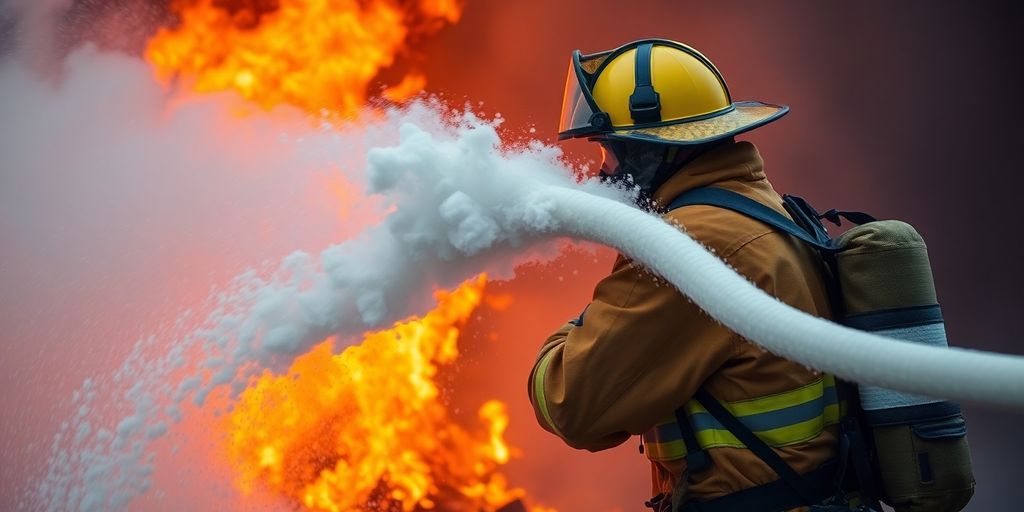
What is Aqueous Film-Forming Foam (AFFF)?
Aqueous Film-Forming Foam (AFFF) is a specialized fire suppressant designed to combat flammable liquid fires, including those involving fuels. AFFF is particularly effective because it forms a film that suffocates the fire, preventing oxygen from fueling the flames. This foam has been widely used by military and civilian firefighting units, especially in situations where rapid response to large-scale fires is critical.
Health Risks Associated with PFAS Chemicals
AFFF contains per- and polyfluoroalkyl substances (PFAS), which are a group of man-made chemicals notorious for their persistence in the environment and human body. These chemicals are sometimes referred to as “forever chemicals” because they do not break down easily. Exposure to PFAS has been linked to various health issues, including:
- Cancer: Studies suggest a correlation between PFAS exposure and an increased risk of several types of cancer, such as kidney, bladder, and testicular cancers.
- Hormonal Disruptions: PFAS can interfere with hormonal functions, potentially leading to thyroid disorders and reproductive issues.
- Immune System Impairment: Research indicates that PFAS exposure may weaken immune responses, affecting vaccine efficacy and overall health.
Historical Use of Firefighting Foam
The use of AFFF dates back to the mid-20th century, when it became a staple in firefighting arsenals due to its effectiveness. Over the decades, it has been extensively used in military bases, airports, and industrial facilities. However, the legacy of AFFF’s effectiveness is overshadowed by the environmental and health risks it poses due to the presence of PFAS. Communities near areas where AFFF has been used extensively face ongoing challenges related to water contamination and health issues. As awareness of these risks grows, efforts to mitigate the impact of past AFFF usage are becoming a focal point for environmental and public health initiatives.
Eligibility Criteria for Filing a Firefighting Foam Lawsuit
Occupational Exposure to AFFF
To file a claim related to AFFF exposure, individuals must demonstrate regular interaction with firefighting foam in their workplace. This often includes professions like firefighters, military personnel, and airport workers. Those who have been exposed to AFFF through contaminated groundwater may also qualify. The exposure should be documented over an extended period to strengthen the case.
Medical Conditions Linked to PFAS
A critical component of eligibility is a medical diagnosis of a condition associated with PFAS chemicals found in AFFF. Commonly linked health issues include various cancers such as kidney, testicular, and pancreatic cancers. Those diagnosed with these conditions after significant exposure to firefighting foam may be eligible for compensation.
Documenting Exposure and Diagnosis
Proper documentation is essential for a successful lawsuit. Individuals should maintain records of their occupational exposure, including dates and circumstances of contact with AFFF. Medical records confirming the diagnosis of PFAS-related health issues are also necessary. Completing an eligibility questionnaire can be a helpful first step in assessing one’s situation.
For those affected by health issues due to AFFF exposure, seeking legal assistance is advisable to navigate the complexities of filing a lawsuit. TruLaw offers support for those pursuing legal claims, ensuring that affected individuals can seek the compensation they deserve.
By meeting these criteria, individuals can strengthen their case and improve their chances of receiving compensation for the health impacts caused by firefighting foam exposure.
Legal Framework Surrounding Firefighting Foam Lawsuits
Statute of Limitations for AFFF Lawsuits
When it comes to filing a lawsuit related to firefighting foam exposure, understanding the statute of limitations is crucial. This legal term refers to the time limit within which a claim must be filed. For AFFF lawsuits, the clock typically starts ticking from the moment a person discovers or should have reasonably discovered the connection between their health issues and the PFAS chemicals in the foam. It’s important to act swiftly because missing this window can mean losing the right to seek compensation. Each state has its own specific rules, so it’s wise to consult with a legal expert to ensure timely filing.
Role of Multidistrict Litigation (MDL)
The sheer volume of AFFF lawsuits has led to the creation of a Multidistrict Litigation (MDL). This process consolidates similar cases to streamline proceedings and improve efficiency. An MDL is not a class action; instead, it allows individual cases to retain their unique aspects while benefiting from shared resources and information. This can be especially beneficial in cases involving complex scientific data and numerous expert testimonies. The AFFF lawsuit navy highlights the military’s shift towards more environmentally friendly alternatives, underscoring the importance of MDL in addressing widespread concerns.
Key Legal Precedents in AFFF Cases
Over the years, several key legal precedents have emerged in the realm of AFFF lawsuits. These cases often revolve around the failure of manufacturers to warn about the risks associated with PFAS chemicals. Plaintiffs argue that companies had knowledge of these dangers but chose to prioritize profits over safety. Such precedents set the stage for future litigation and can influence settlement negotiations, often pushing companies towards resolution to avoid the unpredictability of jury verdicts. As awareness grows, more individuals are stepping forward, seeking justice for the health impacts they’ve suffered due to prolonged exposure.
The Role of Legal Representation in AFFF Lawsuits
How Firefighting Foam Lawyers Can Assist
Navigating the complex legal landscape of AFFF lawsuits can be daunting without professional help. Experienced attorneys play a crucial role in guiding plaintiffs through the legal process, ensuring their rights are protected. These lawyers specialize in toxic torts and personal injury, focusing on cases involving hazardous chemicals like AFFF. They help clients understand the intricacies of the law, assess damages, and prepare a compelling case. Key responsibilities include:
- Gathering and presenting epidemiological evidence to substantiate claims.
- Negotiating with manufacturers for fair settlements.
- Representing clients in court to achieve the best possible outcomes.
For those unsure about their legal standing, consulting a lawyer is essential. Lawyers in the AFFF lawsuit concentrate on delivering extensive evidence to strengthen cases against foam manufacturers.
Contingency Fee Arrangements
One of the most accessible aspects of hiring a lawyer for an AFFF lawsuit is the contingency fee arrangement. This means clients do not pay upfront fees; instead, the lawyer only gets paid if the case is won. Such arrangements make it feasible for individuals to pursue justice without financial strain. Key benefits include:
- No initial legal costs, which lowers the barrier to entry for many plaintiffs.
- Lawyers are motivated to win, aligning their interests with those of their clients.
- Clients can focus on recovery without worrying about legal expenses.
Choosing the Right Legal Team
Selecting the right legal team is vital for a successful AFFF lawsuit. Plaintiffs should look for lawyers with a proven track record in handling similar cases and a deep understanding of the relevant laws. Important factors to consider when choosing a legal team include:
- Experience in toxic tort and chemical exposure cases.
- A history of successful settlements and verdicts.
- Client testimonials and professional reputation.
If a settlement offer seems insufficient, consulting an attorney can provide essential guidance. Consulting an attorney ensures that plaintiffs explore all options and make informed decisions.
Case Studies: Successful Firefighting Foam Lawsuits
Notable Settlements and Verdicts
In recent years, the legal landscape surrounding firefighting foam has seen several significant settlements. One of the most prominent cases involved a group of firefighters who developed cancer after prolonged exposure to AFFF. These individuals claimed that manufacturers failed to warn them about the dangers of PFAS chemicals, often referred to as “forever chemicals” due to their persistence in the environment. This lawsuit resulted in a substantial settlement, highlighting the potential for significant compensation in such cases.
Another noteworthy case involved a retired firefighter from New York who was diagnosed with thyroid disease after decades of exposure to firefighting foam. Despite assurances of safety from manufacturers, the lawsuit revealed internal documents showing that companies had been aware of the risks since the 1960s. This case, like many others, underscores the importance of holding manufacturers accountable for their negligence.
Lessons Learned from Past Cases
The outcomes of these lawsuits have provided several key insights:
- Documentation is Critical: Plaintiffs who meticulously documented their exposure and subsequent health issues were more likely to succeed in their claims.
- Expert Testimonies Matter: The role of expert witnesses in establishing the link between PFAS exposure and health conditions proved crucial.
- Settlements Reflect Severity: The severity of the health impact and the degree of negligence by manufacturers significantly influenced the settlement amounts.
Impact on Future Litigation
The success of these cases has set a precedent for future litigation. As awareness of the health risks associated with PFAS grows, more individuals are likely to come forward. This trend is expected to increase the pressure on manufacturers to settle rather than face unpredictable jury verdicts. Moreover, these cases have spurred ongoing research and potential regulatory changes aimed at mitigating the risks associated with PFAS.
For more detailed information on the AFFF firefighting foam lawsuit and potential settlement amounts, stay informed with the latest updates and predictions on class action lawsuits.
Challenges in Proving Firefighting Foam Exposure
Gathering Evidence for AFFF Lawsuits
Proving exposure to firefighting foam, specifically Aqueous Film-Forming Foam (AFFF), can be quite a task. Documenting exposure is crucial, and this often involves collecting a variety of records. Claimants typically need to gather:
- Employment records that show occupational exposure, especially for firefighters, military personnel, and airport workers.
- Medical records that link health conditions to PFAS exposure.
- Testimonies from colleagues or witnesses who can attest to the exposure.
These documents not only establish the presence of AFFF but also help in connecting it to any health issues experienced.
Overcoming Defense Strategies
When it comes to legal battles, manufacturers of AFFF often have robust defense strategies. They might argue that the exposure levels were too low to cause harm or that other factors could be responsible for the claimant’s health issues. To counter these defenses, plaintiffs need strong evidence and sometimes even expert witnesses to support their case. It’s not uncommon for these cases to involve complex scientific data, making it essential for claimants to have knowledgeable legal representation.
Expert Testimonies in AFFF Cases
Expert testimonies can play a pivotal role in AFFF lawsuits. Experts, often in toxicology or environmental science, provide insights into how PFAS can affect human health. They help explain the science behind the exposure and its potential impacts, making it understandable for the court. Their input can be the difference between a successful claim and a dismissed one. For veterans exposed to AFFF, such expert testimonies might also support claims for VA benefits or other compensations.
Compensation and Settlement in Firefighting Foam Lawsuits
Factors Influencing Settlement Amounts
When it comes to firefighting foam lawsuits, several factors can influence the final settlement amount. The severity of the health condition caused by PFAS exposure is a primary consideration. Plaintiffs suffering from severe illnesses, such as cancers linked to PFAS, often receive higher compensation. The extent of exposure is another critical factor; individuals with prolonged exposure to AFFF are likely to secure more substantial settlements. Additionally, the strength of the evidence presented can significantly impact the outcome. Clear documentation of exposure and medical diagnosis can bolster a plaintiff’s case, potentially leading to a more favorable settlement.
Average Compensation Figures
Estimating the average compensation in firefighting foam lawsuits can be challenging due to the unique nature of each case. However, projections based on similar mass tort cases suggest that settlements might range from $20,000 to $500,000 or more. This wide range reflects the variation in individual circumstances, including the severity of health effects and the duration of exposure. While these figures provide a rough guide, each case is evaluated individually, and final amounts are determined by the specific damages experienced by the plaintiff.
Negotiating a Fair Settlement
Negotiating a fair settlement in these lawsuits requires a strategic approach. Plaintiffs often work with experienced attorneys who specialize in toxic tort cases to navigate the complexities of the legal process. These lawyers play a crucial role in advocating for their clients, ensuring that all damages, including medical expenses, lost wages, and pain and suffering, are adequately addressed in the settlement. It’s essential for plaintiffs to have a clear understanding of their rights and the compensation they deserve. By thoroughly documenting their exposure and health impacts, individuals can strengthen their position during negotiations, potentially leading to a more satisfactory settlement outcome.
Environmental and Community Impact of PFAS Contamination
Long-term Effects on Ecosystems
PFAS, often called “forever chemicals,” are notorious for their resistance to natural degradation. These chemicals, found in products like firefighting foam, have been linked to serious health risks, including cancer, and have contaminated water supplies in various locations. Their persistence in the environment means they accumulate over time, posing significant threats to wildlife and ecosystems. As PFAS accumulate in animal tissues, they can lead to various health problems, affecting entire food chains and biodiversity. For instance, studies have shown that fish in contaminated waters have PFOS levels significantly higher than safe standards, impacting not only aquatic life but also the animals and humans that rely on these resources.
Community Health Concerns
The presence of PFAS in drinking water has raised alarms in many communities, especially those near military bases and industrial sites where firefighting foam was heavily used. These chemicals have been shown to interfere with various bodily systems, leading to chronic conditions such as cancer, liver damage, and immune system dysfunction. Communities affected by PFAS contamination often face long-term health challenges, as these substances remain in the bloodstream for years, increasing exposure risks. The discovery of PFAS in water sources near military bases and airports has intensified the urgency to address these “forever chemicals.” In some areas, residents are advised to avoid tap water, highlighting the severe impact on daily life.
Remediation Efforts and Costs
Addressing PFAS contamination is a daunting task that involves significant financial and logistical efforts. The Department of Defense (DoD) has initiated assessments and cleanup measures at numerous military sites, but the scale of contamination presents ongoing challenges. Remediation efforts include monitoring PFAS levels, implementing best management practices, and developing advanced filtration systems to remove these chemicals from water supplies. However, these efforts are costly and time-consuming, with expenses running into millions of dollars. As lawmakers push for stricter regulations and improved prevention measures, the focus remains on safeguarding public health and reducing future cleanup costs. Despite these efforts, the legacy of AFFF use continues to pose environmental and health challenges for military personnel and surrounding communities.
Future Outlook for Firefighting Foam Litigation
Emerging Trends in AFFF Lawsuits
Firefighting foam litigation, particularly involving Aqueous Film-Forming Foam (AFFF), continues to evolve. One major trend is the increasing number of lawsuits being filed, as more individuals become aware of the potential health risks associated with PFAS chemicals. This awareness is partly driven by high-profile cases and settlements that have brought significant media attention. Additionally, the litigation landscape is seeing a shift towards more comprehensive claims, including those related to environmental damages and long-term health impacts.
Potential Regulatory Changes
Regulatory bodies are under pressure to address the concerns surrounding PFAS chemicals in firefighting foams. There is a growing demand for stricter regulations and guidelines to limit the use of these harmful substances. Some states have already taken steps to ban or restrict the use of PFAS-containing foams, and federal agencies are considering similar measures. These regulatory changes could significantly impact the litigation process, potentially leading to more stringent liability standards for manufacturers.
Ongoing Research and Developments
Research into the health and environmental impacts of PFAS is ongoing, with new findings emerging regularly. Scientists are exploring the long-term effects of exposure to these chemicals, which could influence future litigation. As more data becomes available, it may provide stronger evidence for plaintiffs and shape the strategies of legal teams involved in these cases. Moreover, advancements in technology and testing methods are improving the ability to detect PFAS contamination, which could play a crucial role in proving exposure and causation in lawsuits.
The future of firefighting foam litigation is closely tied to these emerging trends and developments. As awareness grows and regulations tighten, the legal landscape will continue to shift, offering new challenges and opportunities for those affected by PFAS exposure.