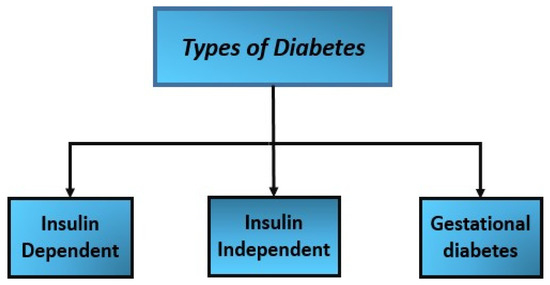
An autoimmune condition, type 1 diabetes – Breakthrough T1D is defined by the body’s own immune system destroying insulin-producing beta cells in the pancreas. While a strong genetic predisposition is undeniable, the fact that not all individuals with high-risk genes develop T1D points towards the crucial involvement of environmental factors.
These external influences are increasingly recognized as potential triggers that can initiate or accelerate the autoimmune cascade in genetically susceptible individuals. Understanding these environmental triggers is paramount for developing preventative strategies and potentially mitigating the rising incidence of this chronic condition.
Viral Infections: Molecular Mimicry and Beyond
Beyond molecular mimicry, viruses can also contribute to T1D through other mechanisms. Viral infections can cause direct damage to beta cells, releasing intracellular antigens that then trigger an autoimmune response. Furthermore, viral infections can induce inflammation and alter the local immune environment within the pancreas, potentially activating autoreactive immune cells. Epidemiological studies have shown associations between outbreaks of certain viral infections and an increased incidence of T1D, further supporting this link. However, it’s crucial to note that while many individuals are exposed to these viruses, only a small fraction develops T1D, highlighting the necessity of underlying genetic susceptibility.
Dietary Factors: Early Nutrition and the Gut Microbiome
Dietary factors, particularly during early infancy, have also come under scrutiny as potential environmental triggers. Some studies suggest that in genetically susceptible infants, early introduction of certain bovine proteins might trigger an immune response that cross-reacts with beta cell antigens. However, the evidence remains somewhat controversial, and large-scale, well-controlled trials are needed to definitively establish a causal link.
Geographic and Seasonal Variations: Clues to Environmental Exposure
The observed geographic and seasonal variations in T1D incidence provide further clues about the role of environmental factors. For instance, the incidence of T1D tends to be higher in countries with colder climates and exhibits a seasonal pattern, with a peak in diagnoses often observed during the winter months. These patterns suggest a potential link to environmental factors that are more prevalent or impactful during certain times of the year or in specific geographic locations.
Vitamin D, which is primarily synthesized in the skin upon exposure to sunlight, has been investigated for its potential role in immune modulation. Reduced vitamin D levels have been linked to a higher risk of various autoimmune illnesses, including T1D. While the exact mechanisms are still under investigation, vitamin D is known to influence the function of immune cells and may play a role in maintaining immune tolerance. However, supplementation trials have yielded mixed results, suggesting that the relationship between vitamin D and T1D is likely complex and may involve interactions with other genetic and environmental factors.
Other Potential Triggers: Toxins and Stress
Beyond viruses and diet, other environmental factors are also being investigated for their potential contribution to T1D development. Exposure to certain environmental toxins and pollutants has been suggested as a possible trigger in some studies, although the evidence is less conclusive than for viral infections. These toxins might directly damage beta cells or disrupt immune regulation.
Psychological stress has also been proposed as a potential contributing factor, particularly in the period leading up to diagnosis. While stress is unlikely to be a direct cause of T1D, it can influence the immune system and potentially exacerbate an ongoing autoimmune process in susceptible individuals. Further research is needed to clarify the precise role of these less well-established environmental triggers.
The Interplay of Genes and Environment: A Multifactorial Disease
It is crucial to emphasize that T1D is a complex, multifactorial disease resulting from an intricate interplay between genetic susceptibility and environmental triggers. Individuals with certain HLA (human leukocyte antigen) genotypes, which play a key role in immune regulation, have a significantly higher risk of developing T1D. Environmental factors likely act as “second hits” that initiate or accelerate the autoimmune destruction of beta cells in genetically predisposed individuals.
Future Directions: Towards Prevention and Intervention
In conclusion, while genetics lays the foundation for susceptibility to Type 1 Diabetes, environmental triggers play a critical role in initiating and shaping the autoimmune attack on insulin-producing beta cells. Viral infections and dietary factors, particularly in early life, are among the most compelling candidates. Ongoing research continues to explore the complex interplay between genes and the environment, offering hope for future preventative and therapeutic interventions for this challenging chronic disease.