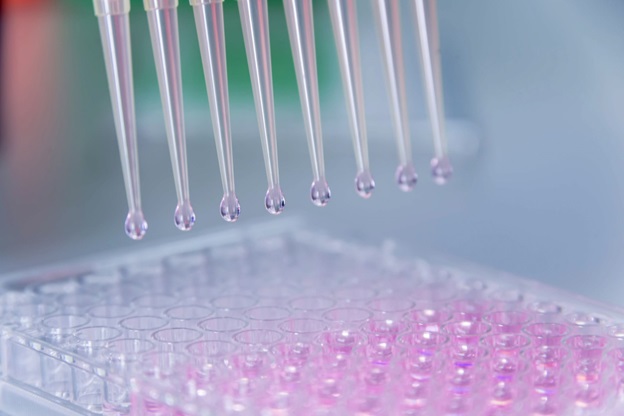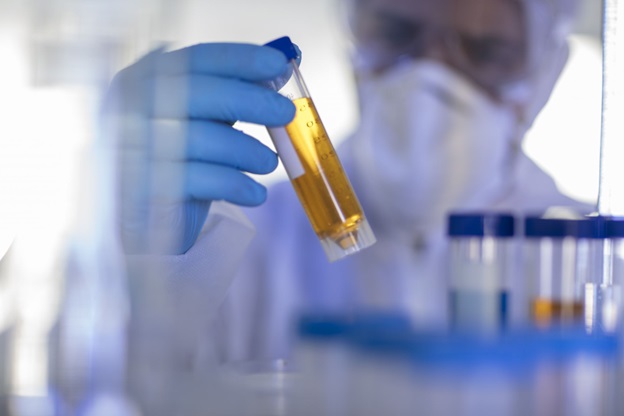
Cleanrooms are essential in healthcare, pharmaceutical production, biotechnology, and medical device manufacturing because they help maintain controlled environments where contamination must be minimized. Even small amounts of dust, microorganisms, or other particles can affect product quality and patient safety. Effective contamination control depends on disciplined cleaning procedures, proper protective equipment, and ongoing monitoring.
Effective Cleaning Procedures
Routine cleaning removes particles before they accumulate and spread throughout the workspace. High-touch surfaces, workstations, floors, and equipment should be cleaned according to documented schedules using approved disinfectants and cleaning materials that are compatible with cleanroom standards.
Cleaning should generally move from the cleanest areas to those with greater contamination risk while following consistent procedures that reduce the chance of redistributing particles. Regular inspections also help verify that cleaning methods remain effective and that corrective action can be taken if issues are identified.
Proper PPE Protects the Environment
People are one of the largest sources of contamination in a cleanroom. Skin cells, hair, and clothing fibers can introduce unwanted particles into controlled environments if proper precautions are not followed.
Appropriate personal protective equipment typically includes cleanroom gowns, gloves, shoe covers, hair coverings, face masks, and eye protection when required. Employees should receive training on correct gowning procedures, proper glove changes, and safe removal of protective equipment to prevent contamination during entry and exit.
Training and Equipment Support
Employee education plays an important role in maintaining cleanroom standards. Regular training helps reinforce approved cleaning methods, PPE requirements, and contamination prevention practices while keeping staff informed about procedural updates.
Many organizations also partner with laboratory equipment services providers to inspect, maintain, and calibrate critical systems that support cleanroom performance. Well-maintained equipment, combined with consistent cleaning and proper PPE use, helps create a controlled environment that supports reliable healthcare manufacturing, laboratory operations, and patient safety. Look over the infographic below for more information.

About the Author